Why Your Business Needs a Top Digital Marketing Agency for SEO and ROI?
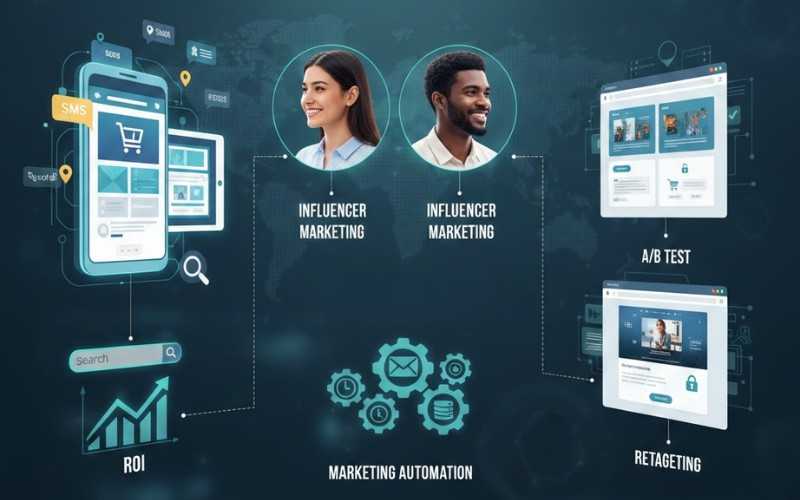
The growth of online platforms completely shifted how companies reach people. No longer do flyers or roadside signs dominate customer outreach. Nowadays, folks hang out on the internet a lot, so posting where they scroll works best to get noticed and keep them interested.
Top digital marketing teams now matter more than ever for companies wanting to stand out online. Because these pros know how different platforms work – like Google or Instagram – they build ads that actually connect with the right people. Instead of just posting banners, they study what users do and tweak strategies on the fly, so each dollar spent delivers clear outcomes.
Marketing companies in India are growing fast because more businesses want help handling online spaces. The marketplace here comes with its own mix of hurdles and openings – different people, many tongues, uneven tech use from place to place. Those who get these details right can craft messages that resonate with specific groups without compromising the overall brand identity.
The idea behind online brand building has changed a lot lately. In today’s world, standing out isn’t just about catchy slogans or cool logos. Instead, it’s shaping one clear story through different platforms – tying everything together without gaps. Messages, looks, and how people feel when they engage must line up smoothly. Each time someone interacts with a company on the web shapes what they think later, so staying connected and consistent matters more than ever.
Comprehensive Digital Advertising Services
While checking out online ad tools, companies should weigh different things. Top choices give a full package covering SEO ads, social media campaigns, banner spots, yet also blog-style outreach. Every method plays its role along the buyer’s path – starting with interest, right up to sealing sales.
Digital ad firms in India have grown a lot, giving high-level services similar to global players. Instead of just spreading widely, they focus on reaching the correct people with precise timing. Using tools like AI and data analysis helps them boost how well campaigns work.
When picking a leading digital marketing firm in India, look at past wins, niche skills while checking if they show clear outcomes. The best ones prove worth using real examples from projects, feedback from customers, along with open performance updates. Instead of running ads alone, they act like trusted allies focused on your growth down the road.
The mix of digital marketing with SEO is now common for full online plans. Good search rankings help companies show up higher in free results, whereas ads bring quick visits from paid sources. One supports the other, building a plan that gives fast gains along with steady progress over time.
SEO’s gone from being just a tech detail to a key part of online plans. Firms on the first search page get the most clicks and eyeballs. Instead of relying only on ads, mixing free visibility with fast-paid results boosts marketing power.
The Power of Data-Driven Marketing
Today’s online promotion depends a lot on checking numbers to shape plans while boosting results – each tap, look, or action dumps info showing what users like, how they act, yet where sales happen. Firms using these details will stay ahead by aiming sharper ads while spending smarter.
Analytics tools show how campaigns are doing – like views, clicks, conversions, plus ROI. Because of this data, teams can keep improving; they spot winning moves, drop weak ones, then tweak plans using real proof instead of guesses.
Breaking down customers using data helps companies sort people into clear categories – like age, actions online, what they like, or past buys. Because of this sorting, messages can match individual preferences way better than one-size-fits-all ads. If folks get info that actually fits what matters to them, they’re far more likely to pay attention and take action.
Marketing paths can get messy when folks interact lots of times through different platforms. So companies use special methods to see what’s actually working. Instead of guessing, they figure out which steps really push sales forward. Some spots pull their weight – others don’t do much at all. Knowing this keeps money from getting wasted on weak tactics. That way, teams spend smarter, not harder. Real results shape where cash goes next.
Predictive analytics uses old data along with smart software to guess what might happen next – like shifts in demand or who’s about to stop using a service. Companies get early warnings so they can act fast when someone seems ready to buy. Instead of waiting, teams adjust plans ahead of time thanks to hidden clues found in behavior. This head start helps grab wins while avoiding problems before they grow.
Stay tuned for business tips, news and more
Every Monday, Wednesday and Friday

Content Marketing as a Strategic Asset
Content marketing has turned into a solid way to grow trust in your brand, pull in visitors naturally, and keep customers engaged. Instead of bombarding people with ads, it focuses on delivering helpful, fun, or insightful stuff that actually lines up with what audiences care about.
Blog posts or articles – and longer pieces – help show expertise while boosting how easily people find you online. If a company keeps sharing solid stuff that actually matters to its audience, others start seeing it as a go-to resource. That kind of standing builds credibility; so when someone’s close to buying, they’re more inclined to pick the brand they already trust.
Video’s getting more attention because people now like visuals better than reading stuff. Instead of just words, things like how-to clips, showing off products, real user stories, or learning videos grab interest faster. With pictures and sound working together, messages come through quicker – also sparking feelings that keep viewers hooked.
Infographics turn tricky details into clear visuals you can grasp fast. Because they look good, people tend to stop scrolling when they see them online. Instead of just passing by, folks often share these images around. When that happens, more websites start linking to them, which pushes the graphic out further. Over time, this means way more eyes end up seeing it than at first.
Email marketing still brings strong returns if done right. Splitting lists to send tailored messages boosts interaction way more than blanket emails. It builds trust slowly, moves potential buyers step by step, while keeping past clients in the loop.
Social Media Marketing and Community Building
Social media started as a way to chat, but now helps companies sell stuff by connecting with people online. One site might work well for videos, another for photos or short updates – each draws its own crowd. To do well, brands need to act right on each app without sounding pushy. Goals matter, sure, yet fitting in feels more natural when the tone matches where you are.
Folks use Facebook a lot, so companies usually need to be there. Its ad system lets you pick exactly who sees your stuff – like by age, likes, or what they do online. Instead of just guessing, you can aim at real groups. Posts that get people talking tend to show up more ’cause the system likes activity.
Instagram works well for companies that look good on screen. Brands in fashion or food do great here because photos grab folks’ eyes. Travel, decor, and daily-life products fit right in thanks to vivid visuals. Short clips, quick updates, or behind-the-scenes snaps keep users hooked. Tools like Reels or Stories help connect without leaving the app. Shop links let people buy stuff while scrolling.
LinkedIn’s where companies focus on reaching other businesses and building pro connections. Firms share insights via updates or stories to position themselves as experts. They also reach out to key people who make hiring choices. Staffing teams scout for new team members there too. Instead of casual chats, the vibe leans serious – perfect for work-related talks. Unlike social apps meant for fun, this space suits polished, goal-driven messaging.
Tweeting happens fast, so companies use it to chat with folks right away instead of waiting. They keep an eye on what people say about them online while jumping into chats tied to their work. Short posts push teams to speak clearly without fluff just to get noticed quickly.
YouTube’s the second biggest search spot right after Google, so video plans need it. Companies set up channels with how-to clips instead of just ads. They add sneak peeks behind the scenes or real user stories rather than generic promo stuff. These videos show up on both YouTube and regular Google results because they’re tuned well. That means people find them in two ways at once.
Conclusion
Finding wins in online marketing means juggling lots of pieces – picking the right platforms, creating messages that grab attention, checking results, then tweaking things nonstop. It’s a lot for companies trying to handle promotion themselves while also keeping day-to-day work moving. Most don’t have enough know-how in-house when you look at tech needs, creativity, and number-crunching all together.
This real situation means more companies focused on growing online are teaming up with niche marketing firms. Because these agencies work with many different clients and sectors, they’ve built sharp skills that help spot what works quickly – while skipping mistakes that drain effort and cash. Since internal squads usually can’t stay updated fast enough, outsourced experts keep track of shifting platforms, new algorithm tweaks, along with fresh tactics everyone else overlooks.
Digiworq Marketing & Technology Solutions earns trust by offering niche skills while putting clients first – what counts is outcomes, not busywork. They track what actually moves the needle: real leads, sales bumps, income gains – not vanity stats such as views or likes that fill slides but rarely boost profits.
The full range of services covers every part of online marketing, so Digiworq can run connected plans instead of separate one-off efforts. Because everything works together, each piece boosts the rest – making results stronger than random actions ever could. If your business wants to truly grow online, Digiworq brings the know-how and teamwork it takes to turn goals into real wins.