What Actually Separates a Great Digital Marketing Agency From an Average One?
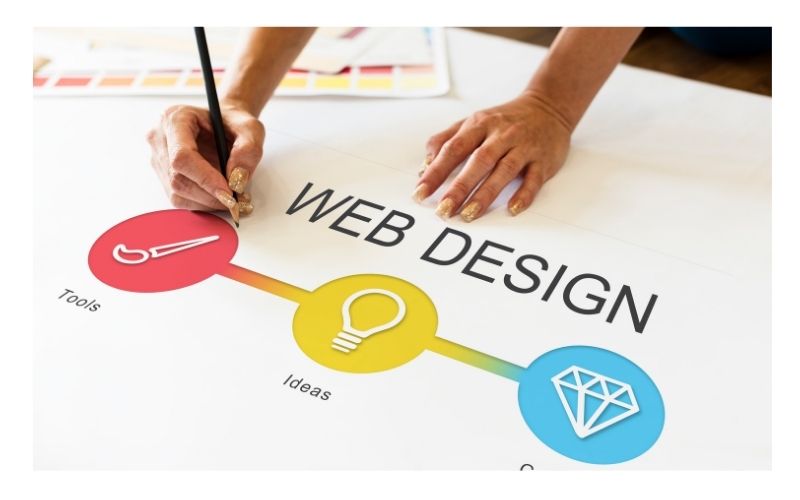
Bangalore has long worn the crown of India’s technology capital, and that reputation is no accident. Home to thousands of startups, MNC innovation centers, and a talent pool that graduates from some of the country’s best engineering colleges every year, the city has quietly become the place businesses turn to when they need a digital presence that actually works. If you’re a founder, a marketing head, or a small business owner exploring website development in Bangalore, you’re tapping into an ecosystem that understands both the tech and the business context behind a great website.
This post breaks down why the city has earned this position, what to expect from a modern development partner, and how to choose the right one for your goals — including why teams like Digiworq Marketing & Technology Solutions have become a trusted name for businesses looking to get this right.
The Bangalore Advantage: More Than Just Talent
Bangalore is a place for development work, and people think it is just because there are many developers available in Bangalore.. That is not the whole reason why Bangalore is so popular. What really makes Bangalore special is that its developers have extensive experience. The teams in Bangalore have worked with various types of companies, including fintech, healthtech, e-commerce, SaaS, and logistics companies. This means that the teams in Bangalore can bring a lot of knowledge to your project in Bangalore instead of starting from scratch.
A team that offers website development services in Bangalore is also more likely to have worked with clients from other countries. Many companies in Bangalore work with clients from the US, the UK, Europe and the Middle East so the developers in Bangalore are used to working across time zones, meeting high standards, and explaining things in a way that everyone can understand. This experience of working with people from cultures often results in better website development services in Bangalore, such as websites that are easy to use, accessible to everyone, and built with global search engine optimization standards in mind not just local standards in Bangalore.
The cost of website development services in Bangalore is also something to consider. Hiring a team in Bangalore can be cheaper than hiring a team in other countries but that does not mean that the work is low quality. Many teams in Bangalore do work, even though they charge less because the cost of living in Bangalore is lower which means they can charge less without sacrificing the quality of website development services in Bangalore. This is why many teams in Bangalore can offer quality work at a lower price than teams in other places without cutting corners on quality of website development services in Bangalore.
From Static Pages to Full-Stack Products: The Shift Toward Web and App Development
A decade ago “getting a website made” usually meant static pages, maybe a contact form and not much more. That world is gone now. Customers want to book appointments, track orders, chat with support, and finish purchases without leaving your site. And more and more they want the same experience on mobile.
This is why many agencies have expanded their services to include web and app development as one connected area instead of two separate parts. A business today doesn’t just need a website or just an app; it needs a digital system where the two work together. A customer might find your brand through a Google search, look at your website on a computer, and,, and then finish a purchase through your mobile app. If those two experiences aren’t built on a shared base. Backend: same data, same design style. The customer feels the problem even if they don’t know how to explain it.
Modern development teams in Bangalore have changed to this situation by using tools and structures that support both web and mobile from the start. React and Next.js on the end Node.js or Django on the back end, and React Native or Flutter for mobile apps have become popular choices exactly because they allow one codebase or a shared API to run on many platforms. This isn’t a technical benefit. It directly impacts your budget, how quickly you can get your product out, and how easy it is to keep the product working a year later.
Stay tuned for business tips, news and more
Every Monday, Wednesday and Friday

What Actually Goes Into Good Website Development
It’s easy to reduce “getting a website built” to a checklist: pick a template, add some pages, launch. But the agencies and developers who consistently deliver strong results tend to follow a more deliberate process. Here’s what that typically looks like. Discovery and strategy. Before a single line of code is written, a good team asks what the site actually needs to accomplish. Is it generating leads? Selling products directly? Building brand credibility? The answers shape everything from the site’s structure to its call-to-action placement.
Design that serves the user, not just the brand. There’s a difference between a site that looks impressive in a portfolio and one that converts visitors into customers. The best designers balance aesthetics with usability—fast load times, intuitive navigation, and layouts that guide the eye toward the actions that matter.
Clean, scalable development. This is where technical choices matter most. A site built on outdated or poorly structured code might look fine on launch day but become a liability within a year — slow to load, hard to update, and vulnerable to security issues. Teams that specialize in website development know how to build for today’s needs while leaving room for tomorrow’s growth.
SEO and performance built in, not bolted on. Search visibility isn’t something you add after launch; it’s something you architect for from the start. Clean URL structures, proper heading hierarchy, image optimization, and fast server response times all influence how well a site performs in search results — and all of them are far easier to get right during development than to retrofit later.
Testing across devices and browsers. With users accessing sites from an enormous range of phones, tablets, and browsers, thorough testing isn’t optional. A layout that looks perfect on a designer’s monitor can break entirely on a budget Android phone, and that’s often where a large share of your traffic actually comes from. Post-launch support. A website isn’t a one-time deliverable — it’s a living asset. Security patches, content updates, plugin upgrades, and periodic performance reviews all keep a site healthy long after the initial build wraps up.
Choosing the Right Development Partner in Bangalore
With many choices out there, from individual freelancers to big agencies, picking the right one can be hard. A few simple questions can make the decision easier. Ask to see real working examples of work. Not just pictures, but websites you can actually visit and use. Notice how quickly they load and how easy they are to use, not just how good they look.
Ask how they learned about your business, not what you need technically. A group that jumps into design without asking about your customers or your competitors is likely to create something average. Make sure you understand what happens once the project is done. Some companies stop working once the payment is made; others provide help. Find out what you’re getting before you agree to anything.
Check how they handle devices and future growth. Even if you only need a website now, it’s good to ask how they would handle adding an app because that shows how much they think about the future. Look for communication and honest reports. Regular updates, realistic plans and open talks about what you can afford are signs of a team you can rely on for a time not just for one job.
Common Questions Businesses Ask Before Getting Started
How long does a typical project take? This varies a lot depending on what needs to be done. A simple brochure-style site might take two to three weeks, while a full e-commerce platform or a connected web-and-app product can take months. Any team that gives you a fixed timeline without understanding your needs in detail should be looked at carefully.
Do I need an app if I already have a responsive website? Not always. A built, responsive site covers most business needs, especially in the beginning. An app usually makes sense once you need features that rely on device-level functions, such as push notifications, offline access, or camera use or once repeat visits become important to your business model.
What platform or technology should my website be built on? There’s no right answer here, and any team that pushes one technology without first learning about your goals, budget, and plans for growth isn’t doing their job properly. Budget-heavy businesses might be well served by a CMS like WordPress, while product-driven companies often benefit from built solutions using modern frameworks that offer more flexibility as they grow.
How do I know if the final product will actually perform well in search results? Ask partners how they handle technical SEO during development, not after. Site speed, mobile-friendliness, structured data, and clean code all matter. These are much cheaper to get right from the start than to fix later.
Conclusion
The demand for skilled digital partners has grown alongside the city’s reputation as a technology powerhouse, and that combination has made it easier than ever for businesses—local and global—to find teams capable of building genuinely competitive digital products. Whether you’re a startup building your first site or an established business overhauling an outdated one, working with a team that understands both the craft and the strategy behind good website development services in Bangalore can make the difference between a website that simply exists and one that actively grows your business.
As customer expectations continue to rise, the businesses that invest in thoughtful, well-built digital experiences — websites and apps working in harmony — are the ones best positioned to earn trust, hold attention, and convert visitors into loyal customers. This is exactly the space Digiworq Marketing & Technology Solutions operates in, bringing together strategy, design, and engineering under one roof so businesses don’t have to juggle separate vendors for their web and app development needs.
If you’re ready to move forward with website development in Bangalore that’s built to perform, not just look good, partnering with a team like Digiworq Marketing & Technology Solutions is a smart place to start. Their approach reflects everything this blog has covered — strategic discovery, clean scalable code, SEO built in from day one, and long-term support — making them a solid choice for businesses serious about their digital presence.