What Makes Today’s E-Commerce Experience Successful for Online Shoppers?
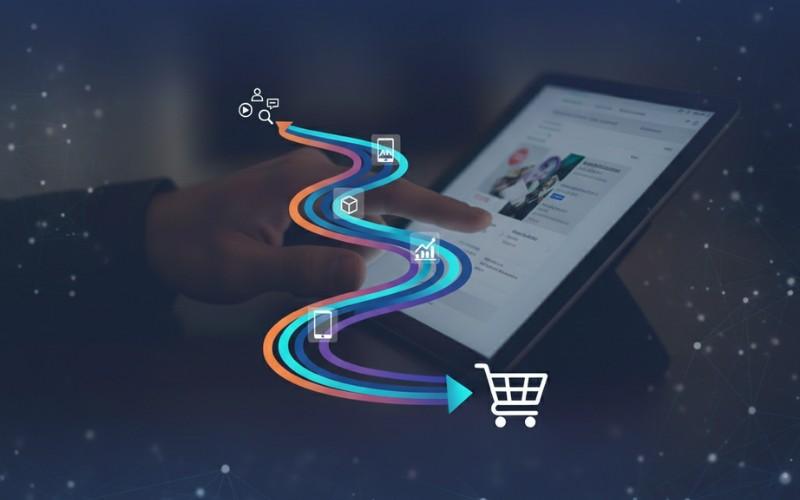
With more digital options popping up, buyers follow paths that keep changing. Focus fades faster, but demands grow stronger. Folks expect speedier sites, simpler details, and better flow from one step to the next. The trip usually starts unplanned – perhaps a quick video scroll, a random search, a word from someone they know – way before reaching any store page. That’s why today’s online selling sees each app or site as linked parts, not isolated bits.
Clients today browse goods in unpredictable ways. One might view a TikTok clip showing a tool, search for feedback on Vimeo, scan price matchups at online shops, glance through company photos on visual sites, and eventually reach the main store page. Each touchpoint needs to seem smooth and honest. If communication’s straightforward but steady, it leads folks ahead – no pressure needed.
Building Seamless E-Commerce Experiences
A smooth way to move around online shops matters now. Good items won’t help much if loading takes time, menus feel messy, or links don’t work well – users leave right away. Simple sections make things easier, quick images stop annoyance, while working buttons add subtle confidence. If browsing feels light, visitors stick around, check out extra stuff, boosting sales along the way.
Building trust matters just as much. Clear images, steady photo styles, detailed descriptions, or honest prices help shoppers feel secure. Some shops add FAQs right on item pages, so people can find answers fast. Little details like these make online sites seem more dependable, shrinking the difference from physical stores to web shopping.
Growth of Interactive and Immersive Shopping
Shopping online isn’t just clicking anymore. With AR, customers see products in their own space – like trying shades on virtually or spinning an item around to check every angle. That kind of hands-on feel builds trust before buying. When people play with features like live demos, they stick around instead of bouncing off the page. Real interaction beats flat photos any day – it shows more than pictures ever could.
A different smart move? Telling stories right inside the display. Rather than just naming specs, companies show how stuff actually works in daily life. Photos of people using items, scenes from everyday moments, or clips made by buyers let shoppers imagine having it themselves. When folks connect on a personal level, things seem more meaningful – less like ads, more like solutions.
Advanced Segmentation and Personal Relevance
Big online shops in India are getting smarter about who sees what. Instead of showing identical offers to all, they adjust content based on how people browse, buy, or interact. If you’ve shopped before, you might spot suggested products just for you. Regular guests could catch special discounts out of the blue. Newcomers? They’re likely to notice hot picks that help them start looking around.
Predictive personalization’s expanded fast lately. Because algorithms spot what shoppers might like next, they show fitting picks – never pushy. When someone checks out workout gear, they’ll likely notice handpicked combo deals or fresh items from that area shortly after. This kind of nudge just makes sense, letting customers find stuff effortlessly.
Rise of Visual Content in Digital Influence
Photos or moving clips always beat plain words online. Clips work better than still pictures since they share info faster. Quick walk-throughs, fast turns of products, scene changes, or real reactions catch eyes right away. Besides that, people tend to stick around more, boosting how well ads run plus visibility without paid help.
Realness is now the main focus. Folks connect better with raw, down-to-earth footage instead of slick company ads. Things like unboxing, genuine customer responses, or quick backstage looks show truth – and that earns trust. In India, home-made clips do really well since buyers often check what others in their circle say first.
Platform-Specific Video Strategies
Folks scroll quick on apps like Reels or TikTok – content’s gotta move fast. If a brand gets the vibe right – the sounds, the rhythm, how it looks – it just fits naturally into what people watch. Clips jump from screen to screen in no time, shaping choices almost before you blink.
But YouTube’s still king when people search for stuff. Tutorials, side-by-side reviews, deep dives into features – these stick around useful for ages. Long videos help shoppers dig in, making them more sure before buying. Instead of guessing, they get real answers from detailed clips.
LinkedIn works better for deeper video stuff – like job tips, company thoughts, or real work stories. When companies shape clips to fit what each app does best, they get responses that actually matter.
Stay tuned for business tips, news and more
Every Monday, Wednesday and Friday

Mobile-First Behaviors Shaping Marketing
Folks use their phones way more these days – browsing, shopping, everything. Since so many people grab their devices every day, websites gotta work well on them. Pages that adjust themselves look good no matter the screen size. Smaller image files help things pop up quicker. Big touch spots, clear menus, fewer taps to pay – it all adds up to smoother buys from handsets.
Location-based marketing makes mobile ads more meaningful. Because users get alerts based on where they are, plus see nearby business info, brands connect at the right moment. When campaigns focus on phones first, it’s not only easier – it boosts results too.
Strengthening Offline-Online Crossovers
Folks who run real-world stores often turn to online tools to draw folks closer. When someone nearby searches, local SEO helps them pop up fast. Things like maps, feedback, open times, or what’s in stock help gain confidence early on. Shoppers scanning QR tags inside can reach web inventories – linking experiences while keeping buyers around.
Mobile apps can boost interaction by giving users rewards, special access, or tailored alerts. Still, before making one, think if your crowd really wants it. Often, a fast, phone-friendly site works just as well – with less hassle.
Data-Driven Growth Through Analytics
Analytics powers online growth. Because tracking tools show how folks act, where they discover items, how much time they spend on sites, yet which moves lead to buys. So these clues let companies sharpen plans, fix flaws, boost what works well.
Data helps teams spot pages where shoppers pause, items getting lots of clicks but few sales, or ads pulling in real customers instead of just randoms. Once companies see how their funnel really works, choices get sharper and returns go up.
Multi-Touch Attribution and Clearer Insights
Nowadays, shoppers go through several steps before buying something. These paths include lots of different interactions. Models that track results show which ones really matter in closing a deal. One type highlights only the initial contact. Another focuses solely on the last action taken. Some spread value across all points along the way.
Some online stores rely on detailed tracking to see what really works. Maybe a web search started interest, yet a short clip on social media built trust instead. Then again, a follow-up message pushed the final decision. Spotting these steps makes it easier to spend money where it actually counts.
Continuous Improvement Through A/B Testing
Testing is key when shaping digital stuff. Because of split tests, you see which design, title, pic, clip, or note hits harder. Over time, landing spots evolve since tiny upgrades pile on. Emails do better once subjects sharpen up, while timing shifts based on how people respond. Small tweaks in ads can boost results quite a bit.
A habit of always trying new things stops progress from stalling. When markets change, when styles update, yet rivals adjust – ongoing tests help companies stay one step forward. Online sales groups that check results often while tweaking tactics tend to grow steadily rather than see random surges.
Visuals are what power digital marketing success through channels. Each digital touchpoint is improved by careful design that captures attention, expresses brand presence, and enables intended actions.
Optimization of performance has ever-growing impacts on design choices in digital marketing environments. A/B testing uncovers which visual strategies bring enhanced outcomes, guiding incremental optimization of graphics, layouts, and user interfaces. Heat mapping indicates where users concentrate on web pages, informing deliberate positioning of elements. Analytics illustrate what types of visual content attract the highest engagement, and these are used by businesses to direct creative assets efficiently. Data-driven methodology ensures aesthetic choices align with performance goals.
Conclusion
The world of online marketing keeps changing fast, bringing new hurdles but also chances for companies trying to stand out on the web. Getting ahead isn’t just about knowing one trick – instead, combining different platforms smartly matters most. Progress comes from tweaking campaigns using real results, while genuine interactions help keep customers close over time. With so much going on today, picking an agency that truly gets your goals can make or break your growth online.
Leading digital changes need clear goals, stories that work across devices, also smart use of real-world data. That’s exactly what Digiworq handles well. Knowing how people act on ecommerce sites matters – so does crafting content for each platform, boosting mobile experience, plus using stats to guide choices. Digiworq adds order to creative efforts for brands wanting actual results online. Pairing strong tech skills with up-to-date marketing thinking, they help companies grow their presence digitally. They make it easier to stay steady – even when competition gets tough.