How Does 2D Logo Animation Add Strategic Value to Digital Marketing?
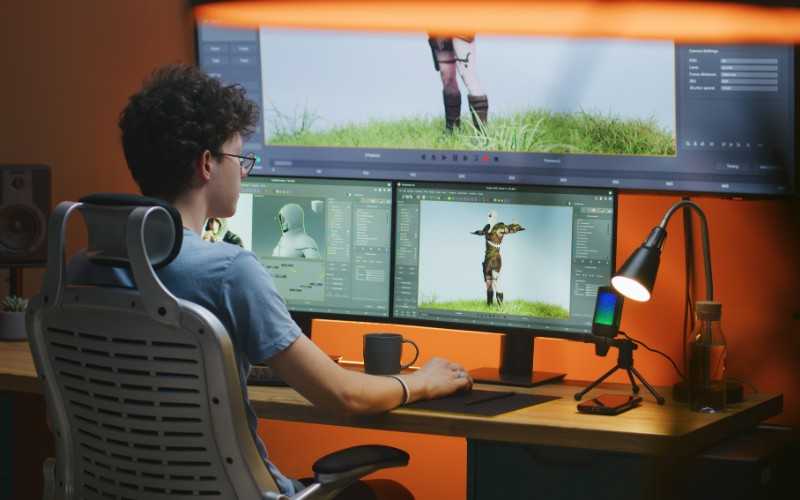
Besides single logo movements, full 2D logo designs, think about how moving brand bits fit into every part of marketing. When the motion feels the same everywhere, people get a smoother experience – no matter if they see it on Instagram, a webpage, or YouTube. Because of this steady method, brands stick in your mind more easily.
Logo tests keep showing that movement helps people remember better. When folks see moving emblems, they tend to recall them more easily than still ones. That boost in memory means a stronger impact in ads – because viewers are quicker to think of those brands when buying stuff.
The schedule for making animated logos takes smart prep. Though single clips can finish fast, building full sets with multiple versions takes longer. Setting up different sizes, lengths, or settings helps companies use the right animation anytime. Each step shapes how smooth the process feels in real-world use.
Animated branding pays off way past the first campaign’s results. Instead of disappearing after use, these clips stick around – ready for future projects down the line. Because they can be reused year after year, building an animated logo isn’t just spending – it’s planning ahead.
Leveraging Logo 2D Animation for Competitive Advantage
In busy industries where standing out is tough, how people feel about a brand really matters. Because of this, animated logos help shape that feeling by making interactions look cleaner and more put-together. Even though they’re tiny elements, together they build a sense of care and skill – shaping what customers think and decide.
With more people making videos now, there’s way more to watch online. To grab attention today, your visuals need to feel polished. A slick animated logo tells folks you mean business – it catches eyes quickly, so they pause instead of swiping away.
Pairing animated logos with overall content plans boosts their effect. Because logo motions cap off videos, show up in bottom-screen visuals, or slide between sections, they tie everything together smoothly. Even though this needs teamwork across design, motion, and content groups, it leads to much sharper outcomes.
Trying out tweaks matters just like it does with any ad part – the same goes for motion graphics. Try one version against another to see what clicks with folks watching. Check stats on drop-off points during clips – it tells if moving logos helps hold attention or annoy people. Tweak based on numbers so flashy bits actually do their job.
The Art and Science of 2D Logo Animation
The journey to create a 2D animated logo starts way before any software is launched. Instead of jumping into tools right away, teams first talk through goals – should it feel fresh? Solid? Fun? Because those early answers shape every artistic move that follows. Rather than just moving images around, the motion itself helps show what words can’t – like energy, reliability, or charm – all using visuals that flow.
Moving pictures on a logo do more than just look good. Because they show up at the start or finish of videos, they act like signs for content shifts. When seen again and again in various clips, they help people remember the brand faster. Since making them takes skill and effort, they quietly tell viewers the company cares about solid work and fine touches.
A brand isn’t just a fixed logo – it shows who the company really is through movement and vibe. Instead of just showing up flat, a moving 2D logo turns that quick second into something people remember. You’ll spot these little clips at the start of videos, while sites load, when apps open, or any place a business gets noticed right away.
A solid logo motion mixes fresh ideas with steady branding. Instead of clashing, the movement ought to match how the logo already looks. If it’s sleek and simple, keep the animation just as tidy. On the flip side, if the brand feels fun and bright, bolder motions can work well. Staying in sync like this helps the motion boost recognition instead of confusing it.
The way our minds react to moving logos? Pretty interesting. Motion grabs focus – thanks to instincts built into us, brands use this trick all the time. Instead of just sitting there, a logo that pops in builds suspense before showing up fully. Unlike still ones, these quick clips, sometimes only two or three seconds long, shape how sleek or current a company seems.
How you build the animation really counts. The pace’s gotta seem right – neither rushed nor dragging. Things ought to move in ways that just look correct. Shifts in color have to flow without hiccups, like they mean to happen. Folks who do this for a living get it down cold, making tricky work appear totally chill.
Stay tuned for business tips, news and more
Every Monday, Wednesday and Friday

Photography and Visual Content Strategy
Even though everyone talks about animations online, photos still matter a lot in visual plans. Good pictures feel real and help people relate – something cartoons can’t always do well. Smart campaigns use both tools on purpose, playing to what each does best.
Photos capture real life, showing true emotions with images folks can connect to. Product shots highlight details clearly so buyers feel sure when purchasing stuff online. Scenes around products set a mood or vibe that people recognize easily. Instead of fighting animation, these photo styles actually work well together.
Photos mixed with movement make scenes more alive, grabbing attention in different ways. Still images get a boost from gentle animations layered on top – just enough to spark curiosity but not distract. Words that move float across picture backdrops, adding energy. Instead of using only flat pictures or full cartoons, blending both opens up fresh options.
Photography’s tech side has grown along with better animation tools. As screens get sharper, pictures need higher detail, truer colors, plus balanced layouts. Knowing how to light a scene, frame it well, or edit afterward is key – and those skills? They’re just like what animators deal with every day.
Building Comprehensive Visual Marketing Strategies
Good online marketing means seeing the whole picture with visuals. Instead of handling animations, moving images, photos, or similar parts on their own, smart plans mix them so they fit and tell one clear story. When pieces connect like this, the result hits harder than random efforts alone.
Content calendars mix different visuals on purpose – keeps things fresh without losing brand feel. Instead of always using photos, try short videos with moving graphics now and then. Animated clips can go alongside articles, sort of like a duo that works better together. Switching it up stops boredom dead, plus people get the message in more than one way.
These days, folks spread out across tons of online spots. What works in one place often flops somewhere else unless you tweak it. Every app or site runs differently – knowing their quirks helps your visuals hit harder, no matter the screen.
As ways to measure how well visuals work keep changing, smart marketers look past basic stats such as clicks or reach. Instead, they focus on how deeply people interact, whether viewers finish the video, or if it leads to sales. Because of this, teams adjust their ideas based on real reactions – helping them fine-tune images and clips over time. Each round gets sharper thanks to what was learned before.
The Future of Visual Communication in Marketing
New tech is changing how companies make visuals. AI’s starting to help with animations, maybe letting more people use those tools. Still, smart planning and original ideas come from humans – machines just boost them instead of taking over.
Interactive visuals are changing how brands connect with people. Instead of just watching, users can now take part thanks to new tech formats. Rather than following a fixed path, audiences shape their own journey through the message. This shift pulls attention more effectively because it turns onlookers into doers within the story.
The rise of video on every online platform keeps growing fast. Because algorithms now boost videos more, people prefer watching stuff instead of reading it, while better internet speeds let anyone stream smooth clips anytime. So brands nailing how to tell stories through visuals are setting themselves up strong for what’s coming in marketing.
Realness plus honesty now matter most for brands, shaping how visuals are used. People care more about honest messages instead of slick finishes. That change isn’t saying good quality doesn’t count – just that it should back up truthfulness without distancing companies from their audience.
Conclusion: Embracing the Visual Marketing Revolution
Visuals now shape how companies talk to people online. Moving from still pictures to lively animations shows changes in tech, what users want, or even ad approaches. Knowing these details – including how animation works or when to use moving graphics – helps businesses stand out amidst digital noise.
Good visuals boost how people see your brand, while also lifting interaction numbers, helping folks remember info, yet creating deeper feelings with viewers. Over time, these perks grow – since images can be used again and again, bringing steady results on different channels or projects.
For companies aiming to boost how they use visuals in marketing, teaming up with pros deeply involved in this space makes a real difference. Instead of generalists, working with experts like those at Digiworq means ideas turn into strong visual stories using motion design, animation, or full-on image-based plans. Because they focus only on these areas, the work goes beyond looking good – each piece is built to support company goals. This way, creativity isn’t just flashy; it drives actual outcomes you can track.