Why Professional Photography Is Essential for Business and Digital Growth?
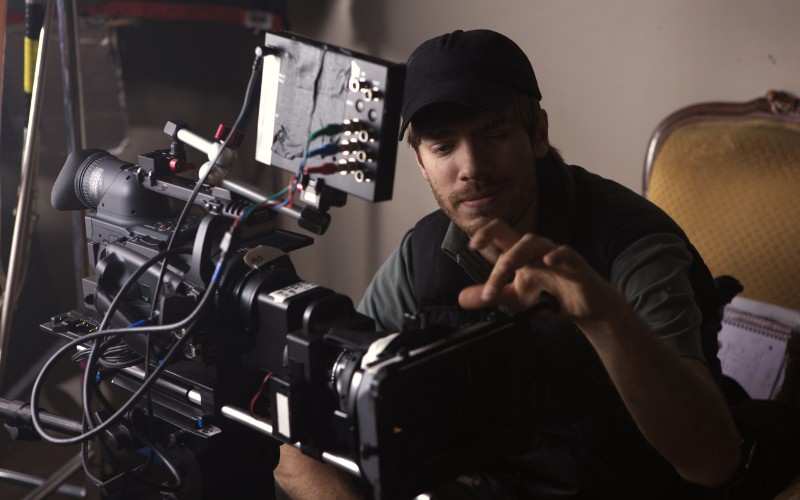
Professional photographers stand out by using top gear in conjunction with solid skills. Even though today’s phones snap sharp pics, pros rely on dedicated tools for better clarity, more artistic freedom, plus consistent results.
Pro cameras come with bigger sensors – these grab sharper details while handling low light like a pro. Instead of fixed glass, you can swap lenses depending on what’s needed; wide ones work great for buildings, whereas long reach lenses suit animals or fast action shots. Need tiny stuff blown up? Macro optics do just that, making them ideal for small products or intricate natural patterns.
Lighting gear’s a key part of pro photo work. Instead of just flashes, many photographers use constant lights, softboxes, bounce tools, and diffusers to manage how light looks, where it falls, and how intense it is. Knowing how light behaves helps pros craft nice portrait tones, bold product visuals, or clean commercial pics.
Good post-work tools matter just as much as know-how. Top shooters rely on widely used programs to handle raw files, fix flaws, adjust tones, or apply artistic touches. They figure out ways to make photos look better without seeming fake, also keeping what the clients want in mind.
Building a Photography Business Strategy
Photography pros need more than just camera know-how to thrive. To grow a lasting business, they must plan carefully – mixing smart promotion with solid communication. Clients stick around when trust is built slowly – through clear talk plus reliable results.
Some photographers do best when they pick a clear focus – like weddings, products for ads, real estate shots, or similar areas. By zeroing in on one type of work, they learn it inside out, gather strong examples, and get known for what they do.
Pricing plays a big role in whether a photo biz lasts or fades. To stay steady, shooters gotta weigh what others charge against covering gear, hours, and know-how. Knowing local prices, tracking actual expenses, yet showing why your work stands out – this mix builds honest rates that let the job grow.
Marketing’s tough, but full of chances for photographers. A solid website that shows off your work can pull in customers when paired with regular posts on social platforms. Staying visible in searches matters just as much – smart tweaks help people find you faster. Team up with others who offer different but related services instead of going solo. Going to local creative meetups builds connections naturally. Happy clients often send new ones your way if they feel valued along the process.
Digital Presentation of Photography Services
In today’s tech-driven world, where photos are shared fast online, how a photographer displays images can make or break new client chances. Instead of just posting everywhere, having a solid personal site builds trust – this spot holds your best shots while also giving key details about services offered.
A good photo website puts pictures first – big, sharp shots show off skills right away. Instead of clutter, simple menus let visitors browse services or portfolios without hassle. Info like what’s offered, rough prices, how to get in touch, or steps to book – all this shows up fast when needed.
A portfolio mix isn’t just skill – it’s smart planning. Instead of showing all photos you’ve snapped, strong artists pick only standout shots that match what clients want. These picks need fresh tweaks now, and then so they fit your latest skills and today’s look.
Getting found online means helping future customers notice your photo work through search engines. Fixing site speed, mobile access, or clear page titles helps it run better behind the scenes. Instead of just listing services, you pick precise words people actually type – like “wedding photographer Austin” – to match real searches. Sharing useful posts about shoots, gear tips, or local spots builds trust while boosting visibility. Links from trusted sites – say a regional wedding blog or an art gallery – noticed by Google make your profile stronger.
The Integration of Technology in Modern Photography
Today’s cameras work way faster than old ones did. Yet tools like editing apps let artists try wilder ideas than before. Some pros use gadgets to speed up their workflow. Still others focus on giving customers smoother service in return.
With digital photo setups, editing pics got way easier. Thanks to cloud space, you can stash shots safely plus grab them no matter where you are. Tools for handling photos let shooters sort huge collections without hassle. Because auto-saving kicks in regularly, your important stuff stays protected.
Client chat tools make photo sessions feel smoother from start to finish. Booking online cuts down wait time for setting up meetings. Picture libraries on the web let customers browse, pick, or buy shots without showing up in person. Files land in their inbox right after checkout, thanks to smart send setups.
New tech keeps pushing what’s possible in art. Drones capture sky-high views once out of reach. Photos that wrap around pull viewers right into the scene. Smart editing tools handle boring fixes fast – without losing sharpness.
Stay tuned for business tips, news and more
Every Monday, Wednesday and Friday

Photography for Business Marketing
Bosses are starting to see that photos matter more in selling stuff. Good pictures build a stronger image for companies, make ads hit harder, and also grab attention online more easily.
Corporate photography encompasses a wide range of uses, including executive portraits that showcase competence, group shots that reveal the work atmosphere, interior views of offices that display workspace vibes, and pictures from events that capture business happenings. Such visuals fill web pages, online profiles, yearly summaries, plus promotional materials.
Content marketing works way better with unique photos. Real pictures grab attention in blogs, boost social media reach, while lifting email results at the same time. Stock images feel flat and overused – custom shots show real brand character instead, connecting deeper with viewers.
Shooting pictures for ads takes unique know-how, usually bringing together camera folks, design leads, plus brand strategists who shape ideas together. Such jobs might need tricky light arrangements, experienced models, carefully arranged scenes, or heavy editing afterwards – all to match a clear visual goal.
Social Media and Photography Content
Nowadays, photo sharing online happens mostly through social apps – these spots also boost company visibility. Knowing how to adjust images for those networks lets creators or shops get more attention from their posts.
Instagram’s all about visuals, so it likes square or tall pictures best. Facebook handles different picture sizes just fine – great for sharing stories in photo sets. When it comes to pro photos like headshots or company shots, LinkedIn is the go-to spot. Pinterest? It sends folks to sites using eye-catching pics. Each platform shapes how photos show up online.
Filling your feed with eye-catching photos isn’t only about pretty pictures. Sticking to a regular upload rhythm helps – mixing smart hashtags keeps reach growing. Captions that spark replies work better when they feel natural, while chatting back on posts builds real connections over time.
BTS shots make photo pros feel more relatable while pulling fans closer. Showing bits of set prep, how edits come together, or day-to-day grind lets viewers see what goes into polished pics – so they value the craft more. Instead of just seeing results, people get why it’s worth it.
The Importance of Professional Photo Editing
Pro photo editing turns rough shots into clean results that fit what clients want, plus industry basics. Even though camera skills still matter a lot, tweaking pics after the shoot helps artists shape their style while hitting clear goals.
Fixing light levels, tweaking color tones, boosting contrast – then sharpening slightly. Each change helps photos look right: bright enough, colors true, edges clear. Instead of flat results, you get balanced shots that feel natural. Small tweaks like these make a big difference without going overboard.
Advanced touch-ups fix precise problems or bring out key details. In portraits, you might see softer skin, spots taken out, yet still look real – thanks to careful tweaks. When it comes to product shots, flaws get erased; backdrops are cleaned up through adjustments that keep colors true, which really matters online.
Creative editing helps photographers build unique looks. On top of that, color grading sets the tone using certain hues. Meanwhile, composites merge several photos for scenes you can’t capture normally. Besides boosting impact, special effects introduce bold touches that grab attention.
When you step back from just photos, the bigger picture of digital marketing shows visuals are only part of the game – but they’re growing more vital every day. Companies must blend imagery with strong website design, fresh written material, active social platforms, or smart SEO moves. At Digiworq Marketing & Technology Solutions, they see how everything links together, so they deliver full-spectrum digital help – using top-tier photography as a core piece inside wider plans. They know great pictures boost campaigns, while solid campaigns give photos more impact; this two-way power is what builds real results. From snapping eye-catching shots to getting them seen via tuned-up sites, targeted posts, or well-placed searches, their work proves lasting online growth comes from connected actions – not random ones.