How Do Mobile Marketing and Influencer Marketing Improve Digital Marketing Results?
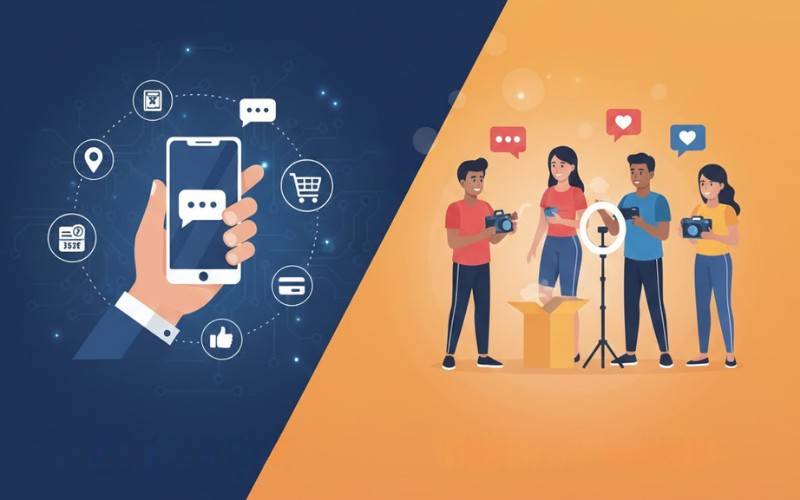
Smartphones are ubiquitous now, so reaching people on these devices isn’t a luxury – it’s a necessity. Most folks browse online using phones or tablets, which means websites gotta work well on small screens. If companies ignore how their content appears on mobile, they may turn off most of the audience they’re trying to reach.
A website that works well on any gadget uses responsive design. These pages shift their look – on phones, tablets, or big screens – to fit right. They resize pictures, tweak menus, while keeping things smooth, no matter where you open them. Since Google likes sites friendly to mobiles, showing up better in searches depends on this setup.
Mobile app marketing pushes brand-made apps that people use for fun, help, or buying stuff. Good ones fix real issues, offer something useful, while keeping folks coming back. This kind of promotion includes tuning your listing on app stores, showing ads inside the app, sending alerts straight to phones – alongside tactics meant to boost installs, daily use, and keep users from leaving.
SMS lets companies message people who agreed to get texts. Even though it’s an old method, lots of folks still read these messages right away. Shops send deals or alerts about deliveries using this channel. Reminders for meetings also go out through short texts.
Using GPS info helps businesses share timely messages depending on where someone is. When shoppers get close to a shop, they might get a deal alert instead. Nearby office workers could see lunch deals from local eateries at noon. People walking around an area may hear about events happening right there. This kind of targeting works better because it fits what’s going on around them.
Mobile payments make buying quicker by cutting out extra steps. So users skip typing details, which means fewer dropped carts. Apps such as Apple Pay or Google Pay let people pay fast with just a tap. These tools turn casual scrollers into actual customers better than old-style checkouts ever did.
Influencer Marketing and Brand Partnerships
Influencer marketing now plays a big role in online plans because people tend to believe suggestions from those they follow more than regular ads. Since influencers connect closely with their fans, who care about what they say, backing a product can really boost visibility and spark sales. Instead of relying on old-school promotion, brands tap into these voices to reach customers more naturally. Trust grows when followers see honest takes, so sponsored posts often feel less like pushing and more like sharing.
Big-name influencers who have loads of followers offer wide visibility plus strong brand presence. Teaming up with them helps companies get noticed by huge groups fast – but it’s pricey because of their popularity. These kinds of influencer efforts fit best when boosting recognition or rolling out new products to everyday shoppers.
Smaller influencers usually get stronger returns compared to big names. Because their fans are focused and active, posts spark more real conversations. These creators cost less, so companies spending carefully can work with them easily.
Nano-influencers, though they only have a couple thousand followers, are like the starting point of influencer outreach. Because their audience is tight-knit, suggestions from them feel more trustworthy to people who follow along. Companies might team up with several of these smaller creators at once – reaching various groups without spending too much cash.
Realness matters way more than how many followers someone’s got. When people sense a fake vibe from a post, they notice fast – it hurts the person and the company. Good collabs give creators space to share stuff their own way, fitting naturally into what they already put out there.
Over time, working together brings bigger wins compared to short-term efforts. Instead of a single post, repeated shoutouts make fans trust the brand more. Longer collabs let creators weave products into their everyday stories – so it feels less like ads, more like real life. This builds steady attention without feeling forced.
Marketing Automation and Efficiency
Marketing tools help companies run smart campaigns, grow their audience slowly, work with customers more easily. Machines handle repeated jobs, keep messages steady, bring custom touches you just can’t do by hand.
Email automation sends messages automatically based on actions or timing, guiding people step by step. When someone signs up, a welcome flow shows them what the brand is about. If a shopper leaves items behind, follow-up emails try to bring them back to finish buying. For users who haven’t interacted lately, special notes aim to spark interest again. Messages go out steadily, no need to hit send every single time.
Stay tuned for business tips, news and more
Every Monday, Wednesday and Friday

Lead scoring tools rank potential customers by watching what they do, how involved they get, or the traits they have. As people click around – like checking pricing info, grabbing guides, or replying to messages – they start piling up points. Once those numbers hit set marks, alerts go out to sales folks or kick off follow-up steps.
Social media planners let companies line up posts ahead of time using one main hub. Because of this setup, updates go live on schedule without gaps. Timing gets fine-tuned so more people see the content when they’re online. Also, teams can check how well each post does through built-in reports. Instead of logging in every few hours to share stuff, users set it once – then forget. That way, followers keep getting fresh material even if no one’s actively managing.
Customer relationship tools link ad campaigns to sales setups, so info flows smoothly from one team to the next. Once a potential buyer shows real interest, alerts go out automatically – telling sellers what caught their eye. That way, no prospect slips away due to missed steps across teams.
Personalization tools rely on customer info to adjust what they see – like suggestions or page layouts. Instead of giving everyone the same view, these setups tweak things based on likes, actions, or traits. Because of this tailoring, content feels more fitting and grabs attention better; users also sense that brands get them.
Conversion Rate Optimization
Conversion rate tweaks aim to boost how many site visitors actually buy stuff, fill out forms, or sign up for emails. Tiny gains here can mean way more income – so these changes really count.
A/B testing checks two versions of websites, emails, or ads to see which one works best. Instead of guessing, companies swap just one part – like a headline, picture, button, or design – to find what clicks with people. Trying things out regularly adds up, slowly making okay results way stronger. Over weeks or months, small tweaks stack into big upgrades.
Landing page tweaks help pages built for turning visits into results actually hit their peak. Good ones stick to just one goal, skip clutter, spell out benefits plainly, yet still push a clear next step. Each part moves people closer to acting – no side roads or escape routes allowed.
Fixing little annoyances helps more visitors take action. Making menus easier to use, speeding up pages, giving clearer directions, or shortening the checkout steps keeps people from leaving. Watching actual users shows where they get stuck – things creators often miss because they know their site too well.
Trust cues help people feel more comfortable when visiting a site. Badges showing security, real user reviews, official-looking stamps, return promises, or straightforward data rules ease doubts holding users back. New visitors who don’t know the brand yet often need this push to take action.
Visitors often leave websites without buying anything. But here’s the thing – ads can follow those people online later. So when they’re checking out social media or reading news, they’ll see stuff they looked at earlier. This nudges them to come back instead of forgetting completely. People already know the brand a bit, right? That makes it easier to win them over after a few extra reminders.
Conclusion
The world of online marketing keeps changing fast – fresh tools, apps, and methods pop up all the time. Staying on top of trends while tweaking your game plan helps companies stand out, especially when there’s so much noise. Winning isn’t about isolated tricks; it’s linking different pieces together through smart planning that actually fits company goals.
For companies trying to make sense of today’s messy online world, working with skilled marketers can make a real difference. Digiworq knows the ins and outs of digital promotion – whether it’s boosting search rankings or running ad campaigns. Instead of treating each method separately, they blend them smartly so results add up without wasting time or cash.
What sets Digiworq apart isn’t only skill in tech – it’s about truly getting what each client’s business faces, who they’re up against, also where they aim to grow. Instead of using one-size-fits-all fixes, they dig into real market chances, study intended customers, check rivals’ moves – then build tailored plans fitting exact hurdles plus actual strengths.
Smart planning, solid tech skills, and sharp follow-through help Digiworq get real outcomes that push companies closer to what they want. Instead of just starting online footprints, growing current campaigns, or fixing weak marketing attempts, Digiworq Tech & Marketing Support brings know-how, tools, plus reliable teamwork firms must have today.