Evolution of Digital Marketing in Modern Business
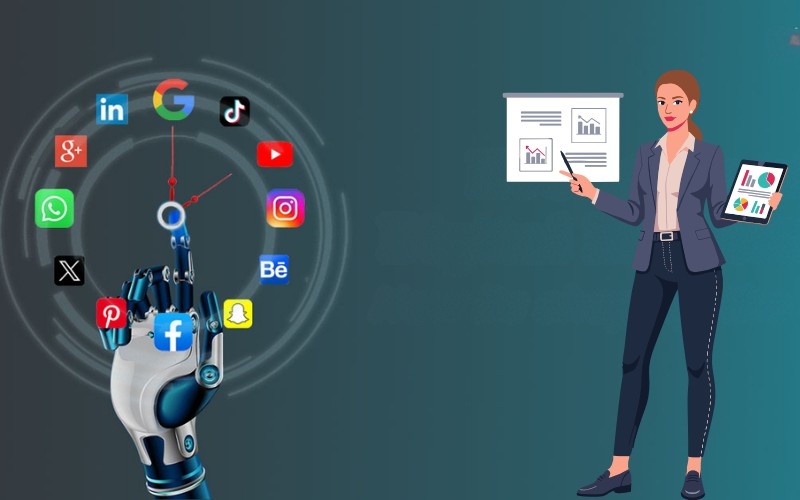
The move online completely changed how businesses connect with folks, share their stuff, or build real fan bases. From awkward ads and lifeless sites came a mix of platforms, moves, and paths that shape what buyers pick and boost outcomes. Here, brands dragging their feet on internet-driven methods fall off – meanwhile, those running strong digital plays unlock fresh chances to grow and bond closely with customers.
Digital marketing isn’t just about slapping something on Facebook or running a random ad every few days. If you want to get noticed, mix SEO with storytelling, toss in mobile apps, while shaping a clear brand direction – all lined up with what the business wants. You need tech skills, no doubt, yet creativity matters more – pair raw data with tales that pull folks in and don’t let go.
Fresh platforms emerge nonstop – online marketing moves quicker every day, with tools upgrading fast, and user behavior changing right alongside. Algorithm changes hit often, remaking how far posts travel, forcing marketers to switch up their game constantly. When smart businesses roll out smoother digital experiences, folks start wanting more – expectations rise steadily, no slowdown in sight. Privacy laws shift underfoot, altering who can collect data and when, rewriting the rules mid-game. Navigating this maze takes intense attention paired with solid skills – a combo plenty of crews find tough to gain or keep solo.
Understanding Brand Strategy and Sustainable Marketing
Brand strategy shapes everything you do in marketing. Without a clear idea of your brand’s purpose, audience, or uniqueness, your work becomes scattered – missing long-term value. True growth kicks in when consistent action builds honest relationships, instead of chasing fast wins for immediate revenue.
A peek into what the company really believes, its reason for being, and where it shines starts the journey of shaping a brand. So – what problems does it genuinely solve? What values guide the big decisions by those in charge? When do customers actually feel connected to the name? One thing leads to another – how you look, sound, pop up here or there, online or IRL. When folks get what you’re about, chatting feels smoother ’cause every touchpoint echoes that one clear message.
Leading brand agencies across India are stepping up their game by blending global strategies with regional insights. Because people here differ widely, these teams focus on keeping a brand genuine while adding local touches. Given the mix of tongues, shifting traditions in every area, besides how quickly habits change thanks to internet growth, one single approach just doesn’t work anymore.
Brand agencies in Bengaluru are doing well, juggling assignments from nearby areas while also working on international work. Because the place embraces technology, it blends traditional selling methods with modern online strategies into a mix that stands out. That’s why companies here skip relying only on trendy gadgets; instead, their marketing plans focus on real human behavior and reactions.
A brand exists in minds, yet stays shaped by real moments. Ads shift perception just like a quick chat with support does. Using the product matters as much as overhearing someone praise it later. Building that presence goes beyond marketing – it leaks into daily actions across the business. The tone of a voice during checkout? That counts. What does the packaging feel like on arrival? Also part of the picture. Even tapping your phone to pay adds up – tiny details stack into why people pick you again.
On the flip side, brands playing the long game care less about instant wins, focusing instead on real relationships. Since they know lifetime value trumps single transactions, investing in meaningful moments – despite slow returns – pays off through stronger loyalty and credibility over time. Firms that stick to truthful claims and steady quality adapt more easily when markets change, unlike those banking solely on price cuts or chasing trends nonstop.
The top brands build unique vibes people feel drawn to, forming real emotional bonds. Their tone stays steady through how they talk, look, and show what matters – no matter where you meet them. A few come off as fresh, always pushing new ideas instead of sticking to old ways. Meanwhile, some highlight trustworthiness, leaning into proven methods over flashy change. Then some keep things easygoing, aiming for warmth rather than polish. The exact character isn’t as crucial as whether it feels real and steady. When people sense a brand is faking it, they react fast – skepticism kicks in hard to shake later.
The Mobile Revolution and Application Design Excellence
Phones now let countless folks browse, chat, buy stuff, or just kick back with games and videos. Shifting focus from computers to phones means companies gotta rethink their online game completely. Firms aiming to connect with today’s users can’t treat apps as an extra – this is basic survival now.
The top teams building apps know real success means juggling several tough demands at once. Speed counts big time – people ditch apps that take ages to open or feel clunky when used. How it looks hits first, deciding fast if someone sticks around or trashes it right away. Features need to make sense on their own, letting folks get things done without a tutorial. Safety measures should guard personal info well, but not annoy regular users with too many hurdles.
Stay tuned for business tips, news and more
Every Monday, Wednesday and Friday

Designing apps for phones isn’t the same as making websites – people use their hands differently on small screens. Tiny displays force you to cut out fluff, keeping only what really matters. Taps replace clicks, so buttons need more space plus simpler menus. Spotty internet means the app should still work when the connection drops now and then. Built-in tools like location tracking or motion sensors open doors to cool functions websites can’t touch.
Creating a mobile app takes serious digging around, plus prep work way before any coding starts. Figuring out what users actually need, where they struggle, and how they act helps shape an app that solves real stuff – not just flashy bits with no use. Checking out rival apps shows what people already like, but also spots gaps to stand out. Mapping out tech choices nails down which phones or systems it’ll run on, what kind of server setup’s needed, and how info moves between gadgets.
The wire framing stage helps everyone involved see how things might work early on – shaping the feel of the app without code. Basic sketches map out rough page structures along with how users move from one screen to another. As it evolves, more detailed versions start using real text and clickable parts so people can test them like the final product. Fixing problems during these rounds saves time later because catching errors now costs a lot less than after coders spend weeks or months working off wrong ideas.
A mobile app designer nearby shows how companies prefer teaming up with talent close by. Being in the same area means clearer talks – especially if you meet in person once in a while. Matching work hours helps, too, since live chatting gets way simpler. Folks around here get the local scene – the habits, tastes, rules – all baked into their workflow. Sure, hiring overseas might seem cheaper at first glance; still, that edge fades fast when projects heat up and need constant back-and-forth.
Mobile UX designers focus on building smooth experiences made just for phones. Since people usually check apps while doing other stuff – or when they’ve got a few spare minutes – they need designs that fit those quick, noisy situations. That means layouts should help finish actions fast instead of overwhelming users up front. Unlike computer software meant for deep concentration, phone tools rely on showing features only when necessary. Interfaces must also adjust easily to clumsy taps, letting mistakes slide without frustration.
The mobile UI UX design scene is made up of experts diving into certain fields or app kinds – some zero in on e-commerce apps built for smooth phone shopping, while a few target business tools that boost workplace efficiency. A handful dig into games or social platforms instead. By narrowing their focus, these teams build sharp skills in niche areas, getting how things really work behind the scenes, stuff regular designers might miss.
Mobile app creators focus on what people really need when using their apps. Instead of guessing, they build sample user portraits to stay grounded in reality. These imaginary but realistic characters help guide choices during building. By walking through each step someone takes – from hearing about the app to daily use – teams spot where things get messy or helpful. This path-tracing shows clear moments to smooth things out or boost usefulness. Watching actual users try the software uncovers problems devs often miss entirely. Every test reveals new ways folks struggle or succeed, bringing truth into decisions.
The build stage turns mockups into working software using client-side plus server-side coding. Frontend coders handle what people see, turning visuals into clickable layouts without slowing things down. Server-side devs set up the logic, storage, and connections running behind the scenes. Infrastructure folks automate rollouts, checks, and resources so everything stays online under heavy load. QA specialists test functions thoroughly on various gadgets, platforms, and real-world cases.
Conclusion: Building Digital Excellence with Strategic Partners
The digital marketing world is tough to handle because it changes fast, making it hard for companies to grow these skills on their own. Handling everything – from website optimization and app building to writing content, running ads, checking data, or setting long-term plans – usually goes way beyond what most firms can manage by themselves. Besides, spending time on marketing setup instead of focusing on main operations usually costs more than just teaming up with outside experts. The choice between hiring outside experts or growing skills in-house really comes down to things like company size, how fast it’s expanding, what resources are available, plus its main goals. Most of the time, teaming up with seasoned teams – say, a group like Digiworq Marketing & Technology Solutions – gets better outcomes quicker than going solo, thanks to wider know-how and being able to adapt more easily. Those that win consistently stick close to what they do best, pick partners smartly to fill gaps, blend services into full answers for customer problems, while keeping everyone aligned on one clear mission.