Can AI Replace the Junior Designer? What Automation Changes
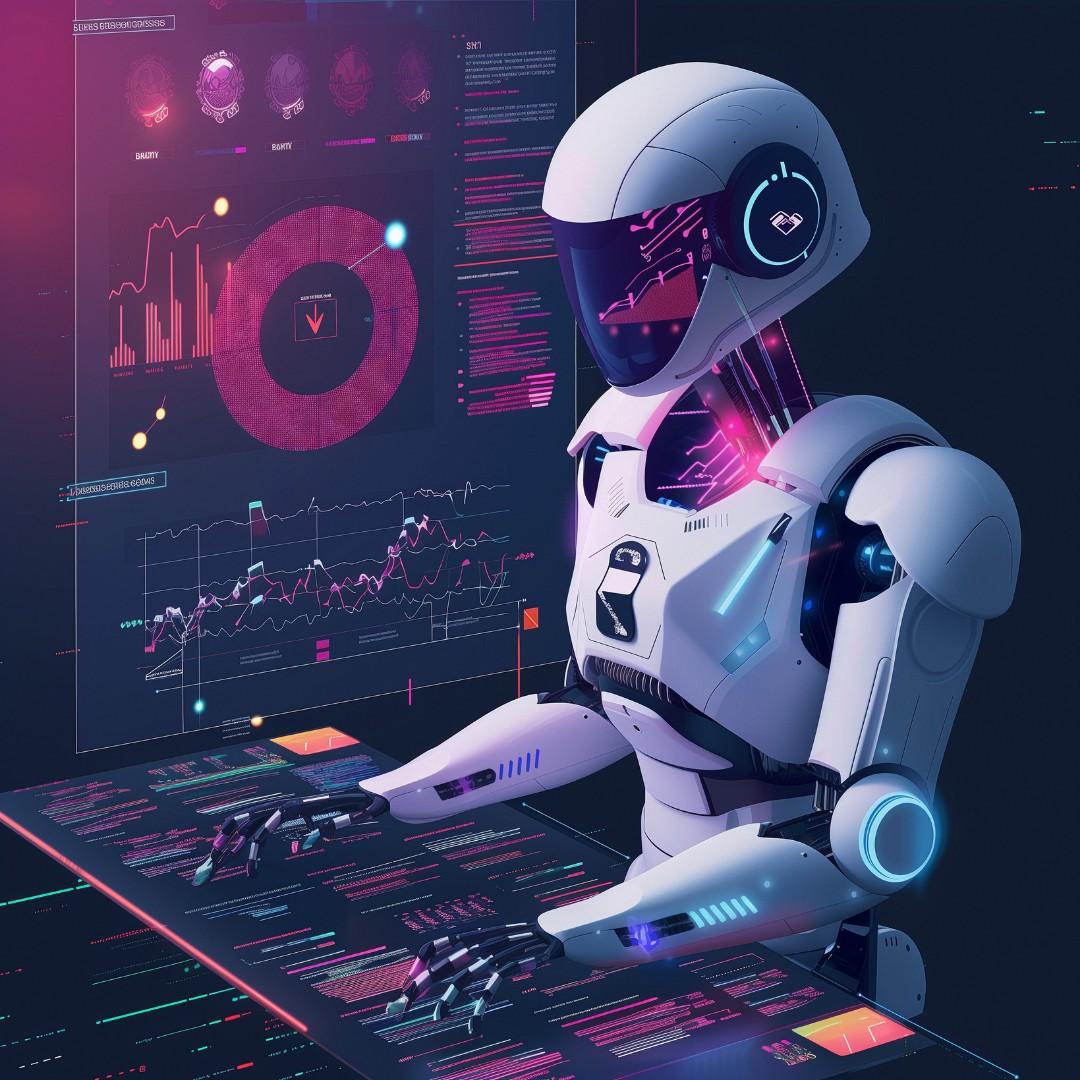
The entry of artificial intelligence into the design sector has radically changed the way that creative work is made and distributed. And there is one question being asked by many agencies and freelancers, and it is a question of whether AI can replace the junior designer? The obvious response is to say yes, but it is worth noting why the task should be simple to perform with the help of AI tools, at least to some extent: you can already use AI tools to automate the performance of many tasks usually assigned to juniors, such as drafting layouts or creating social media graphics. However,, the truth is more complicated. Though AI will indeed change the business of design processes, it is not replacing human designers. Rather, it is altering the notions of what junior designers do and how they develop in innovative teams.
What AI Is Already Capable Of
By 2025, AI systems will be in a fine position to assume a lot of tasks that are usually concerned with design. Adobe Firefly, Midjourney, and DALL-E are some of the tools to create moodboards, visual concepts, and creative assets through simple prompts. Machine learning-based Figma plugins are capable of automatically generating wireframes, UI layout suggestions, font pairing suggestions, and making on-demand accessibility changes. These attributes save time and avoid much of the mundane tasks previously assigned to junior designers. On the one hand, AI-powered generation of the first drafts of campaign visuals or landing pages has become a thing in many agencies without a human person even opening files. The product of this is greater efficiency, and a reappraisal of what the entry-level designers bring.
A Shift From Execution to Direction
Junior designers also do not learn to simply perform Photoshop or Figma commands for a long time, followed by AI. Now they are supposed to enter the design with strategy on the mind. This does not imply avoiding the fundamentals but learning them more contextual way. As an example, whereas previously a designer could spend several days tasked with resizing a banner to fit myriad platforms, now the variety created at AI can be curated, enhanced to resonate with brand strategy, and offered to the creative leadership or account owners as the best among them. The machinery is doing the work of men. The task of the designer is to use human taste, critical thinking, as well as empathy for the brand.
The Disappearance of Low-Stakes Practice Work
Among the greatest losses in this transition is the loss of what might be termed as low-stakes design work. It was on these projects that the junior designers had the chance to experiment and learn through mistakes, as well as gain confidence. AI also eliminates the conventional learning period of design by getting repetitive duties out of their way. That complicates the process of entering the profession. Students coming into the field of organization are now arriving with an expectation of a higher level, a little earlier in their career, and having little practical experience. The agencies and design teams have to go out of their way to give juniors the opportunities to learn by offering their critique, mentorship, and sandbox work environments that allow them to experiment without the burden of the client.
Human Judgment Still Matters
Even after taking into account all the capabilities of AI, it cannot support basic aspects on which human designers are indispensable. Computers will not catch the emotional nuances of a certain audience. They are not able to empathise or give cultural insight like a designer would, having been brought up in a different culture. They lack creative intuition, which is the capability to draw relationships that are not taught to them. Strategy is also a problem with AI. It can come up with design solutions, but cannot ascertain a creative direction in association with a business objective. It is here that the junior designer is needed. Their work is to use human judgment in possibilities created by machines and create pieces of work that are not only emotionally appealing but are strategically thoughtful.
The New Core Skills for Entry-Level Designers
The skills needed by junior designers have changed. In the past, one could get hired based on the ability to use Adobe Creative Suite or a portfolio of visual experiments. Nowadays, agencies seek out junior designers who, in addition to being good, quick writers, inquire about automation tools and can work with platforms and teams. They also have to learn how responsive design should work, the importance of accessibility, and how visual systems should be scaled through tokens and common libraries. You can no longer just make a single shot of images. The juniors should be able to think systemically, in terms of flows and flexible assets that perform work on a large number of screens and a variety of languages.
Stay tuned for business tips, news and more
Every Monday, Wednesday and Friday

Why Junior Designers Are Still Essential
With the world more AI-powered than ever, with high accuracy and speed, junior designers are still needed in agencies. And the thing that has altered is the character of what they are taken to perform. They are also not being hauled in just to work on production. They are employed rather due to their capacity to form and explain. The new role played by junior designers includes creating design briefs, experimenting with visual variations with strategic goals, and developing brand consistency on newer digital platforms. They are supposed to add an element of freshness and a fresh look to the team, and they tend to be the first to hire and test out the newest creative resources. Instead of replacement, they are under repositioning.
The Risk of Over-Automation
Agencies that face the temptation to automate everything completely and do not hire juniors face a serious risk. In the absence of a human eye, machine creativity usually misses voice, cohesion, and emotional connection. Overusing AI when it comes to your branding can make it generic, aesthetically all over the place, and irrelevant to your audience. Moreover, without allowing the next wave of designers to develop and expand, the entire creative field will be deprived of diversity when it comes to the skills and talents it needs. An automated design pipeline can be efficient, and at the same time, it will be deprived of the character and flexibility that only people can offer.
Learning to Collaborate With AI
AI is not a threat, but the most innovative designers learn to treat AI as a worker and not an enemy. The designers of today are required to be familiar with how they can collaborate with generative tools, which allow them to work faster with prototypes and idea testing, and increase their creative possibilities. However, they should also be willing to own the resulting product, upholding the details, harmonizing the structure, and complying with brand principles. The model of a hybrid working process will characterize the process of design in the future. Agencies have to educate young designers to become AI-literate, but they should not be dependent on it.
Rethinking Design Education
All this also has a reflection on the teaching of design. This new reality needs to be reflected in design schools, bootcamps, and even internships offered in agencies. AI tools must be faced very early by students and junior professionals, not as novelties but as central elements of the creative process. They should also learn to be able to think critically and know their audiences and how to translate strategy objectives to design. Artificial intelligence will not produce the best junior designers based on their technical prowess, but that of their brains, trained to be visual storytellers with the ability to direct automation instead of letting automation direct them.
Conclusion: Redefining the Junior Role, Not Replacing It
Artificial intelligence does not kill the job of the junior designer; it changes it. The agencies that adapt to this change will remain the ones that engage in relevant, emotionally compelling, and strategically correct work. The junior designers nowadays are entering the arena where prodigious conceptualization and creative leadership are needed, rather than going through the initial years with ubiquitous resizing and manual layout requirements. They are not replaced. They are being exalted.
Looking Ahead: Talent, Tools, and Transformation
With the maturing AI technology, the level of automation will be just one of the ways to win the competitive battle but integrating it into their culture of creativity. The best graphic design company in this new era will be one that empowers junior designers with both mentorship and modern tools. This is the equilibrium that will allow the future generation to take advantage of AI without becoming mindless. At the same time, regional leaders—like a Bangalore graphic design agency serving diverse markets—have a unique opportunity. These agencies act as training fields for all-around, AI-literate creatives, equipped with exposure to multilingual design issues, mobile-first design requirements, and rapidly adaptable digital environments. The change that was occurring is not transitional- it is structural. Only the people with the knowledge of how to find the way in which machines can be walked in and not be walked in themselves, will be able to be the future of design. And the junior designer, who might be thought to be obsolete, will be of capital importance to that head.